
Before we dig into the definition and power of Career Literacy, I want to address those of you caught up in the AI buzz. Many are sprinting from one event, webinar, and workshop to the next. It feels like a never-ending scavenger hunt. It’s easy to get dazzled by the noise. Without focus, all that running around can feel more like chasing shiny objects. It is not building real knowledge.
It’s like trying to collect every golden ticket. It’s exciting at first. However, it becomes overwhelming when you realize they don’t actually get you into the chocolate factory. Attending everything doesn’t guarantee you clarity or expertise; it often leads to exhaustion and confusion. The real prize isn’t in the number of events you attend. It’s in choosing the ones that help you grow. Select events that align with your goals and actually stick. The key is to strive to become more skilled and informed in your field of work.
My friend and colleague, Ann Nakaska – a Future of Work Expert, reminded me years ago of something important. We need to view these shifts through a Fourth Industrial Revolution lens. This revolution is shaped by AI, globalization, the gig economy, and a rapidly changing job market.

Prediction Report
One more point that will bring you onboard to focus on Career Literacy is a recent report. This report is by the World Economic Forum. Predictions over the 2025 to 2030 period show that new jobs will be created. Despite the expected displacement of current jobs, a net growth of 7% or 78 million jobs will occur. This means new jobs will be created and you need to know what they will look like.
Additionally, nearly two-fifths (39%) of workers’ current skill sets are projected to be either updated or become obsolete by 2030. A strong foundation in Career Literacy is therefore essential. It guides you to proactively understand market shifts. You can identify in-demand skills and strategically plan your upskilling or reskilling efforts. This helps you navigate the evolving professional landscape successfully.
Career Literacy Defined
My passion for increasing Career Literacy in young people fuels my pursuit of ongoing professional development. I attend and present, ensuring my expertise reflects the most current educational research and activities. Recognizing the limitations of the education system, I apply this knowledge to fortify my services. I fill in the areas where the standard education system falls short. This approach delivers a superior experience for my clients.
There are many definitions available for Career Literacy. Career Vision coined Career Literacy™. They describe it as the basic knowledge and skills that we all need. These help us read the 21st Century work environment. You can also use this knowledge and these skills to manage your career. Google AI states that Career Literacy is the ability to make informed career choices. It is beneficial by acquiring and making sense of career-related information. A scholarly article describes Career Literacy as the information, abilities, and tools needed to make informed professional decisions.
I work with gifted youth. I see the value of an inside-out approach to education. My definition of Career Literacy emphasizes personal development, emotional resilience, and accomplishment recognition. Here is what Career Literacy means to me:
Career Literacy is a dynamic metacognitive capacity. It involves a willingness to understand oneself and assess personal growth. It also includes exploring opportunities and selecting informed next steps. In the race with machines, your edge is knowing yourself. A Career Literate individual is equipped with the skills necessary to succeed in this race.
As a side note, and just to clarify how this definition of being Career Literate can fit within the education system, I share the following Career Education mandate. Career Education is meant “to enable students to relate education and work and acquire general competencies for a positive career development, so to allow each individual to make paid or unpaid work a significant part of their lifestyle” (Hoyt, 2005, p. 24). In other words, Career Literacy gives students the tools to bring this mandate to life.
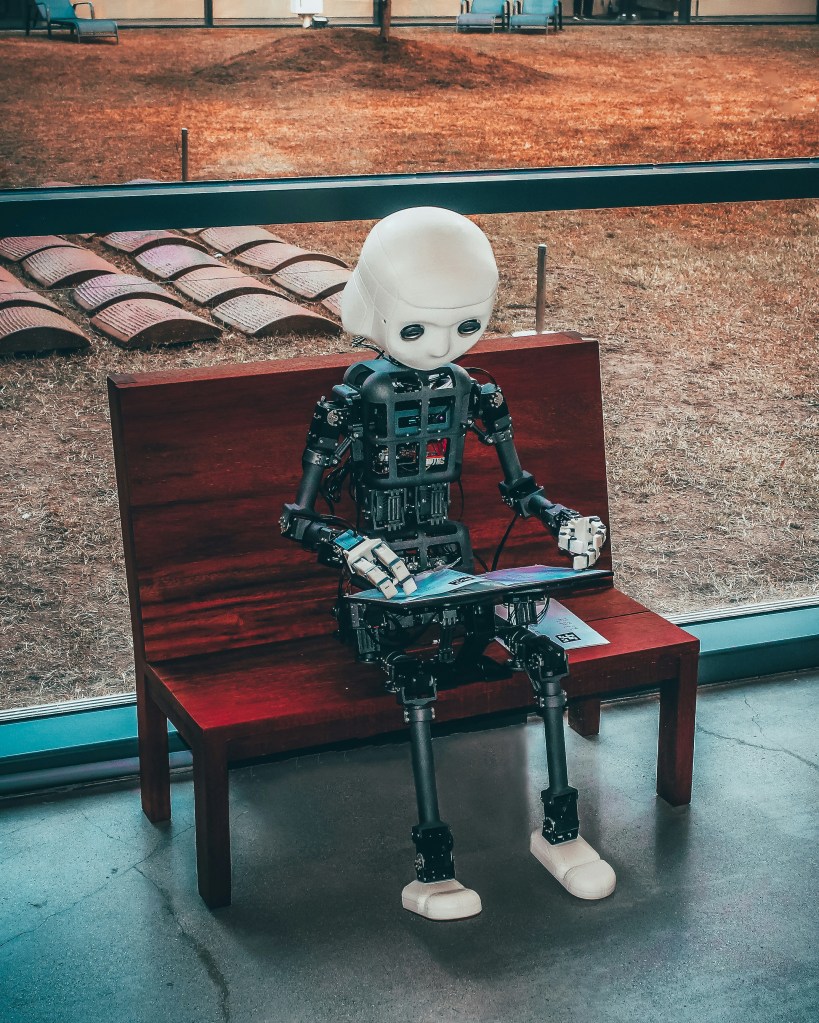
Why Career Literacy Matters
Surprise — you have officially stepped into the Fifth Industrial Revolution. It’s changing everything you thought you knew about work, learning, and human potential. You need to pause and rethink your role in a world shaped by rapid technological change. As a Career Literate individual, you can easily do this.
Unlike the Fourth Industrial Revolution which was driven by automation, AI, and digital transformation, this new era is about human–intelligent technologies collaboration. The narrative is changing. It is no longer just about what machines can do for you. It’s now about how you can partner with machines to create a better future. This isn’t simply about faster systems or greater efficiency. It’s about aligning innovation with human values. These values include creativity, empathy, and sustainability. It’s a shift from fast and efficient to empathetic. When innovation is driven by human needs and values, technology becomes a partner rather than a competitor.
As technology becomes more advanced and embedded in our daily lives, your challenge is no longer to keep up with machines. Instead, you need to work alongside them. This collaboration amplifies your creativity, empathy, and critical thinking. The shift demands new skills, new mindsets, and a deeper understanding of how you contribute uniquely. The future of work is no longer just about what you can do, but about what only you can do. As a Career Literate individual, you can handle this shift.
Unfortunate Reality
Recent research revealed that AI is taking away our unique human abilities (Dai, 2025):
- Cognitive diversity: a reduction in the variety of thinking styles, approaches, and perspectives
- Intellectual independence: become procedural, non-critical thinkers
- Authenticity and individuality: AI dependent, less innovative
This shift feels unsettlingly close. It’s not some distant trend. It’s happening to me and everyone around me. I catch myself racing to consult an AI platform whenever I draft a blog or prepare a presentation, eager to hear what it “thinks” before I trust my own ideas. Around me, friends and family scroll endlessly, so tethered to their phones they rarely pause to remember what they already know. Even my young clients treat AI like a trusted companion, turning to it for answers before they turn inward.
Do you see it as well?? Share your experience in the comments section.
Yet, this awareness is a turning point. It is a reminder that while AI can be a powerful tool, your true strength lies in choosing how you use it. Amplify your individual creativity. Sharpen your intellectuality. Stay rooted in your own wisdom.
Career Paths Today
Recent research on the journeys of youth today makes it clear. Youth between the ages of 18 and 34 change jobs 12 times on average. What to do and how to best navigate your career path? As always, my answer is Career Literacy.
The reality is that career paths today are:
- Dynamic: A dynamic career is a professional journey that evolves and adapts over time. It is marked by flexibility, lifelong learning, and the ability to embrace change, opportunities, and new skills. You don’t need to follow a fixed timeline. For example, going to university right after high school? You can choose to pursue it later, or not at all, and that’s still a valid path.
- Non-linear: A non-linear career breaks away from the traditional idea of steady, upward promotions within a single company or industry. Instead, it involves lateral moves, shifts across industries, developing new skills, taking sabbaticals, or even starting a business. The important thing to remember is that you are never locked into one career path. Every decision still leaves room for your change and growth.
- Transitional: A transitional career moves across different sectors and experiences, like academia, industry, entrepreneurship, international organizations, or government roles. These shifts create opportunities to broaden your perspective and apply your skills in new ways. You can make these transitions whenever you feel ready.
As a Career Literate individual, you can navigate these career paths with clarity, confidence and authenticity.
Rethink
For career and professional development, the Fifth Industrial Revolution means you must rethink your skills, mindsets and roles. The future of work will reward those who can merge technical fluency with uniquely human abilities like emotional intelligence, critical thinking, and ethical decision-making. Adjusting isn’t a choice, it’s the key to staying relevant in a world where humanity and technology grow stronger together. The challenge and opportunity lie in recognizing that your unique human qualities are not being replaced but redefined as essential to thriving in this new era. As a Career Literate individual, you can see that.
Summary
As the Fifth Industrial Revolution unfolds, you are not a powerless bystander. You have a choice. You can simply go with the flow. This means attending every workshop that tags the term AI. Or, you can equip yourself with Career Literacy. This is more than just learning how to navigate advanced technologies; it’s about cultivating the mindset and skills to thrive. Career Literacy fosters confidence, resilience, and lifelong learning. It also empowers you to make informed choices and find greater personal fulfillment along the way.
After all, machines can do almost everything in today’s world. The smartest move is to make sure you know your unique human skills. Keep focusing on what only humans can do.
I am Hoda Kilani CCDP ®, CPCC, certified Career and Academic coach. As a private practitioner, I guide students, young people, parents, teachers and community partners to confidently activate what’s next. I regularly speak at national and international events on the value of Career Literacy.
Follow me and subscribe to this newsletter for more career insights.

 Hoda's Musings