
You drafted your New Year resolutions and were committed to start upskilling or developing new skills ASAP.
You were bombarded by so many ads for free and paid courses, micro-credentials and webinars that you are feeling overwhelmed and unsure where to start.
What is the easiest way to narrow down your choices?
How can you start learning new skills?
Above all, can you commit to your resolutions on your own or do you need help?
Unfortunately, you have to do to what you don’t feel like doing in order to do what you enjoy doing.
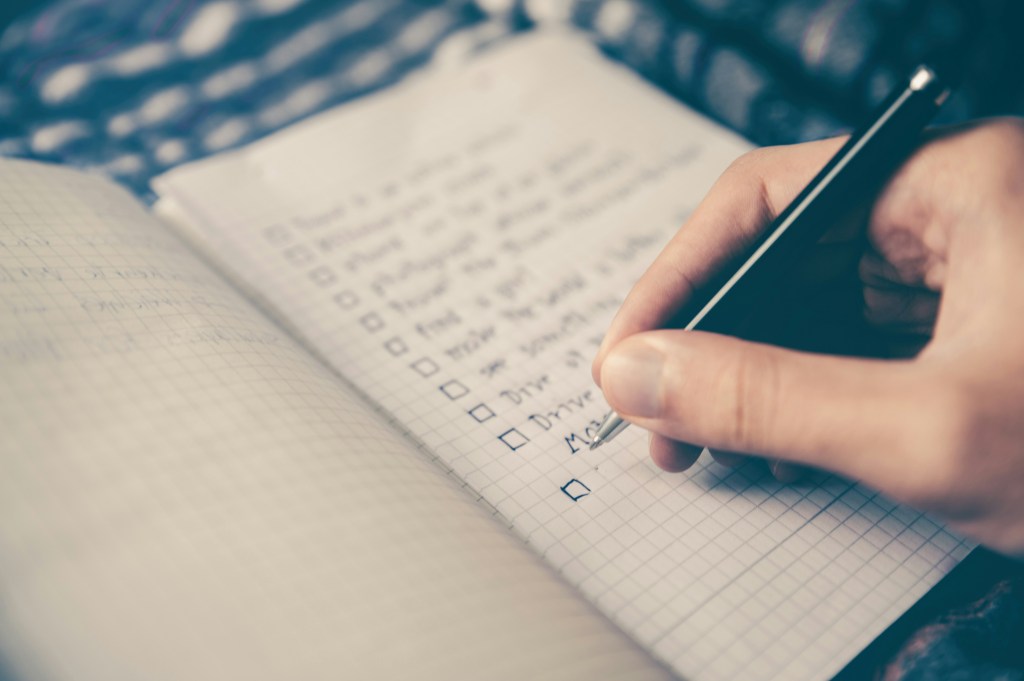
Here are six simplified steps that I collected from various books and blogs to help you commit to your resolution to upskill or enhance your capabilities:
- One skill at a time, one day at a time will add up to many skills by the end of the year: Consider focusing on one skill from your resolutions list. Choose one skill and one skill only. Visualize the reasons behind choosing this skill. For example, you chose to upskill a hobby such as drawing or coding skills. Try to remember why you made this choice. Be as specific as you can.
- Research the skill and the best place to develop it: Conduct online research on the skill you want to learn or develop. Reach out to people who you know have developed this skill and ask questions. Understand what the skill entails, the resources available (online and in person), and the learning path you can follow.
- Make a list of resources: Gather the necessary resources to facilitate your learning. This could include books, online courses, tutorials, workshops, mentors, or any other tools that can help you in the learning process.
- Create a learning schedule: Allocate dedicated time in your daily or weekly schedule for learning the new skill. Remember that consistency is key to progress learning so be sure to add your study time to your calendar.
- Practice regularly: Regular practice as in three to five days a week is essential for mastering a new skill. It’s not enough to sign up for a micro-credential or a course, you have to find ways to practice that skill beyond class time.
- Evaluate, adapt and adjust: Be flexible when learning new skills. Some skills may come naturally to you while others will take time to develop. Be sure to adapt your schedule to your best learning time. Some people are more alert in the morning. Others prefer the afternoon or evenings. Make sure that you are open to trying different approaches to see what is your best learning medium.
Try them out and let me know how you are doing.
I am Hoda Kilani, Career and Academic Coach. I work with students, parents, teachers and community partners sharing the latest strategies to innovatively craft your career journey your way. Follow me for more career insights.

 Hoda's Musings